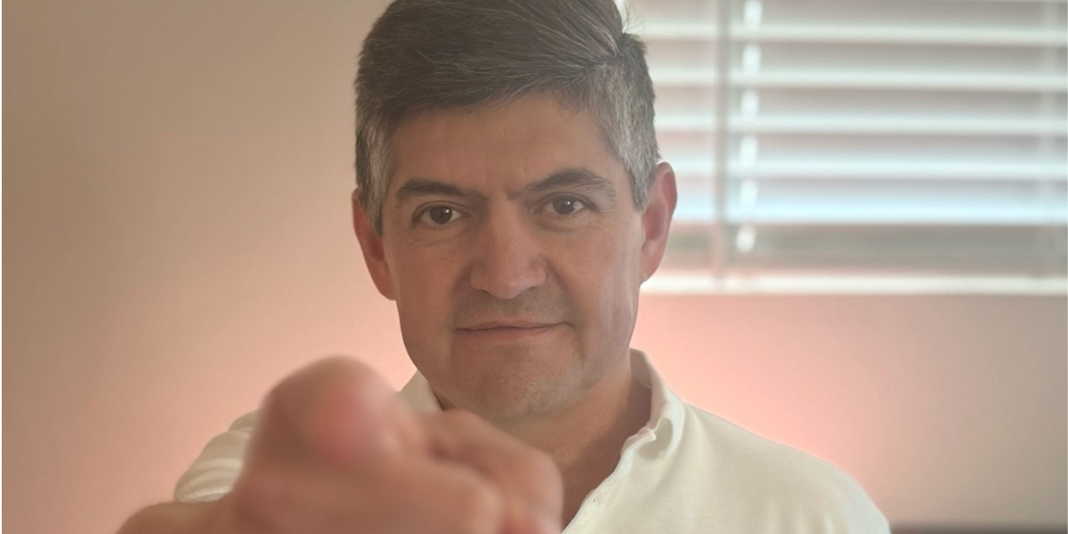

When Sonia Lucía Pirchi opened a bio construction site in Buenos Aires to the public, the invitation was not metaphorical. Visitors were welcome to come, watch the earthen walls take shape, and, if they were interested, learn how to make them. The workshops she began offering on site covered the practical methods of building with natural materials, including the mixing of adobe, the application of clay plaster, and the full process of constructing a structure without conventional cement. For those who wanted to go further, she offered advisory sessions for people planning to build their own homes using the same approach.
This kind of direct community engagement is unusual for an artist whose visual work has been traveling through gallery programs in Europe and beyond. But it reflects the scope that Pirchi and her Buenos Aires-based studio, tisdis, are organized around.
According to her LinkedIn profile, Pirchi studied graphic design at the Escuela Superior de Diseño Gráfico, the Universidad Nacional de Rosario, and the institution then known as the Instituto Universitario Nacional del Arte in Buenos Aires. Her education has since expanded into natural building: she graduated from the Diploma Program in Bio Architecture at the Universidad Tecnológica Nacional (UTN), adding formal training in bio architecture to her background in graphic design and visual practice.
She describes her practice as a combination of art, visual communication, and bio-construction. Her stated goal is the fusion of these three disciplines under the name “tisdis”. The brand, which she lists as a registered trademark, is intended to serve as a single address for creative work whether it involves paint, pixels, or packed earth. The Instagram account she uses to document the bio construction work, @tisdis_bio, runs alongside her visual art presence and design portfolio rather than replacing either.
What holds it together, as she has written on LinkedIn, is a concern with sustainability in a broad sense, not just material but communal. She describes her vision as building sustainable communities centered on what she calls the balance between giving and receiving.
Light and Material
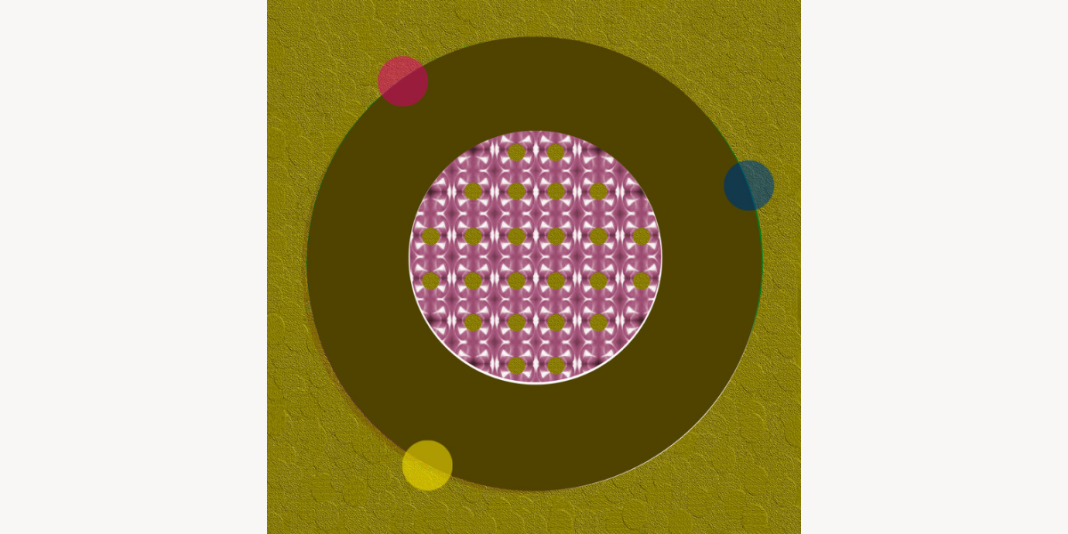
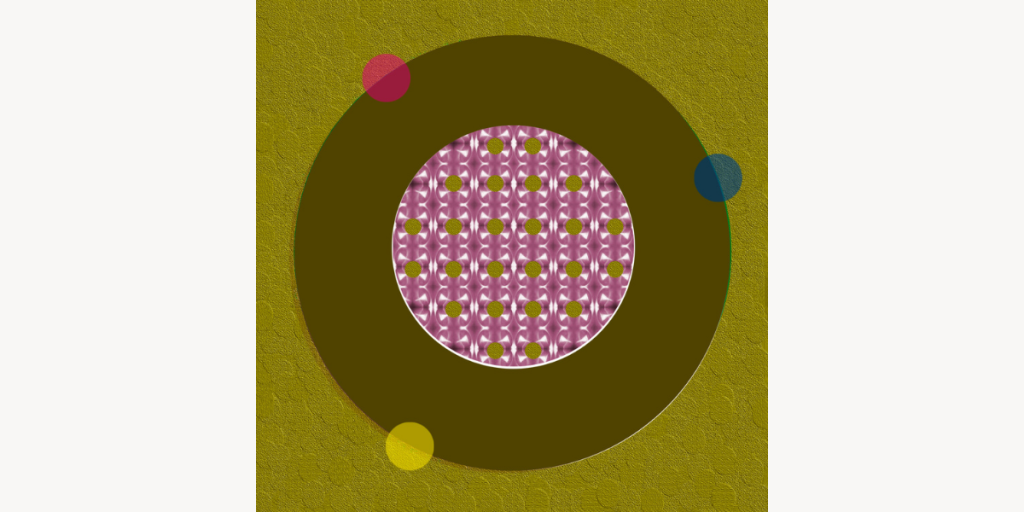
The clearest illustration of Pirchi’s visual art practice is Light Tube, a light-based installation that has moved through several exhibition contexts in recent years. According to reporting in the Argentine publication La Opinión, a section of the piece was shown at the Mumba, Pergamino’s Museo Municipal de Bellas Artes, as part of a collective exhibition called Alborada. In December 2025, the work appeared across four simultaneous venues in Athens, Greece, organized by Nook Art Collective, and remained on display into January 2026. La Opinión reported at the same time that Light Tube was on view through the Circle Foundation for the Arts, an international organization that works with contemporary artists and maintains a gallery program accessible online.
Pirchi’s work remains on ongoing display through the Circle Foundation, which describes her as a multidisciplinary artist from Argentina. A curatorial note published on the Circle Foundation platform from curator Cristian Jesús Agostini characterizes the body of work as operating on multiple levels for a viewer, describing it as a visual and material gateway into what he calls a new era of perception. In August 2025, La Opinión reported that Pirchi’s art had been included in exhibitions in European cities including London, Florence, Venice, Milan, and Rome. Those references, from local press coverage of her career, situate the Light Tube work and related pieces within a longer arc of international exhibition activity.
Bio Construction as Practice
The bio construction dimension of studio tisdis has a different texture. Where gallery programs position Pirchi’s artwork in dialogue with institutions and curators, the Buenos Aires open workshop is grounded in something more practical. Argentina has developed a substantive tradition of natural building: bio construction techniques are now incorporated into university architecture curricula and permitted under building codes in several provinces, using materials such as adobe, light straw clay, and earthen plasters that predate modern concrete by centuries. Pirchi’s workshop practice engages that tradition from the inside, now informed not only by hands-on experience but also by her graduation from UTN’s Diploma Program in Bio Architecture.
In a December 2025 interview with La Opinión, she described the purpose plainly: to share what she calls ancestral wisdom with anyone interested in learning how to bio build, and to advise those who want to construct their own home through direct experience with the work itself. The site she was working on became a point of reference for both the building work and the educational programming, a place where visitors could observe and participate rather than simply receive.
Her bio architecture training adds another dimension to that approach. Rather than treating natural construction as a parallel interest to her artistic career, Pirchi has incorporated it into the broader professional framework of tisdis. The result is a practice in which design knowledge, artistic experimentation, and construction with natural materials inform one another.
For Pirchi, the workshop and the exhibition are not competing activities. Studio tisdis, as she has built it, holds them in the same space, using a single name for a practice that moves between a gallery wall, a design brief, and a freshly applied coat of clay.
More information about Sonia Lucía Pirchi and studio tisdis is available at soniapirchi.com.